If you’ve ever wondered how websites appear on the first page of Google Search, the answer lies in a powerful digital marketing practice called Search Engine Optimization (SEO). In this guide, we’ll break down SEO into simple terms, explore its key components, and show you how to get started—even if you’re a complete beginner.
What is Search Engine Optimization?
Search Engine Optimization is the process of optimizing your website to rank higher in search engine results pages (SERPs). The goal is to increase your website’s visibility when people search for topics, products, or services related to your business.
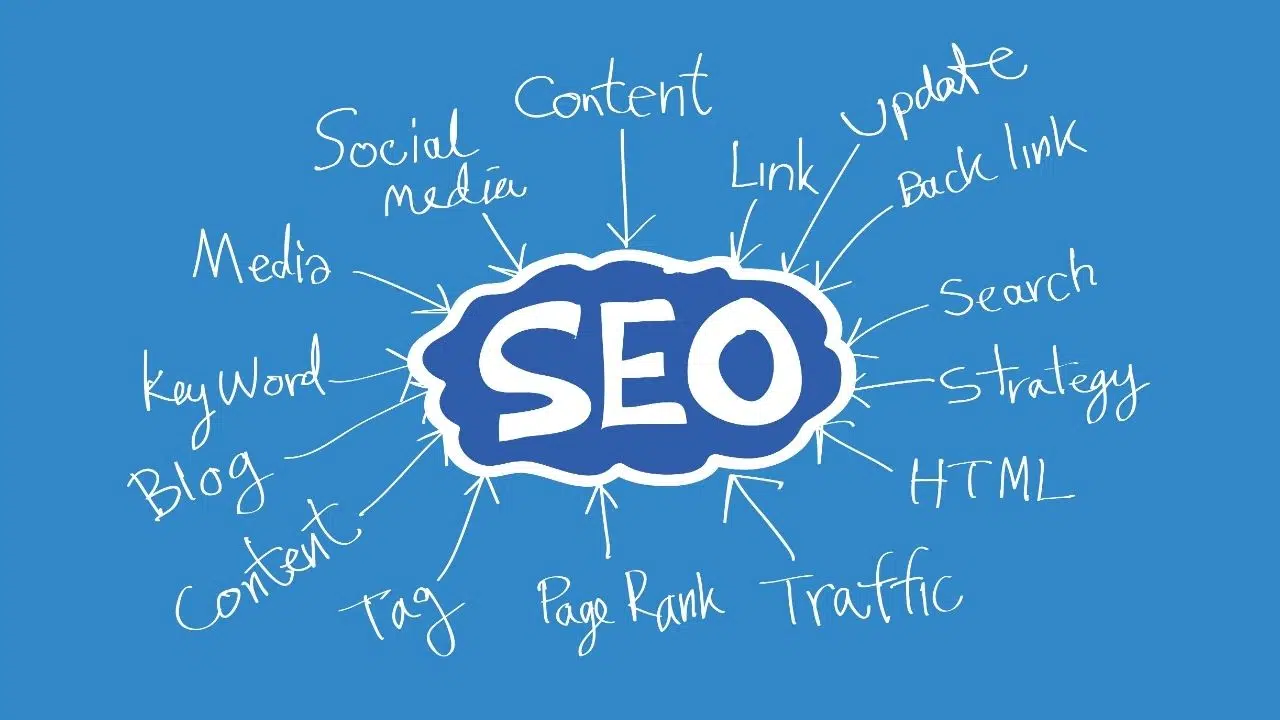
SEO is more than just adding keywords—it’s about creating valuable content, optimizing your site’s structure, and building trust across the web.
Why is SEO Important?
Over 90% of online experiences begin with a search engine. If your website isn’t optimized, you’re missing out on potential traffic, leads, and sales. Appearing at the top of Google Search not only boosts visibility but also builds credibility with your audience.
The 3 Core Pillars of SEO
1. On-Page SEO
On-page SEO refers to everything you do on your website to make it search engine-friendly. This includes:
-
Keyword Optimization: Using relevant keywords naturally in your titles, meta descriptions, headings, and content.
-
High-Quality Content: Creating helpful, original, and engaging content that answers your audience’s questions.
-
User Experience (UX): Ensuring your website is easy to navigate, loads fast, and is mobile-friendly.
-
Internal Linking: Connecting your pages to each other to help both users and search engines navigate your site.
2. Off-Page SEO
Off-page SEO focuses on actions taken outside your website to improve its authority and rankings. Key strategies include:
-
Backlinks: Getting reputable websites to link back to your content.
-
Social Media Sharing: Encouraging content shares and engagement on social platforms.
-
Online Reputation Management: Building trust through reviews, mentions, and PR.
Essentially, off-page SEO is about proving to Google that your website is credible, trustworthy, and worth ranking.
3. Local SEO
If you own a local business, Local SEO is crucial. This helps your business show up in Google Search and Maps when people look for nearby products or services. Steps to improve your Local SEO include:
-
Claiming and optimizing your Google Business Profile.
-
Encouraging customer reviews.
-
Using local keywords like “SEO services in [your city].”
-
Ensuring your business is listed in local directories.
How Does Google Search Work?
Google Search uses algorithms to crawl, index, and rank websites based on hundreds of factors. These include relevance, quality of content, site speed, mobile-friendliness, and the number of quality backlinks.
By focusing on both on-page SEO and off-page SEO, you help Google understand your website and see it as a valuable resource worth ranking.
Getting Started with SEO: A Simple Checklist for Beginners
-
Research Keywords: Use tools like Google Keyword Planner or Ubersuggest to find keywords your audience is searching for.
-
Optimize Your Website: Focus on on-page SEO elements—title tags, headings, meta descriptions, and content.
-
Create Quality Content: Answer your audience’s questions and provide solutions.
-
Build Backlinks: Reach out to websites in your niche for guest posts or link opportunities.
-
Optimize for Local SEO: If you’re a local business, set up and verify your Google Business Profile.
-
Monitor & Improve: Use tools like Google Analytics and Search Console to track your progress.
Final Thoughts
SEO might seem overwhelming at first, but by breaking it down into on-page SEO, off-page SEO, and local SEO, you can create a solid foundation for long-term success. Start small, stay consistent, and soon you’ll start seeing your website climb the Google Search results.